

The Hidden Secrets of the Tree of Life
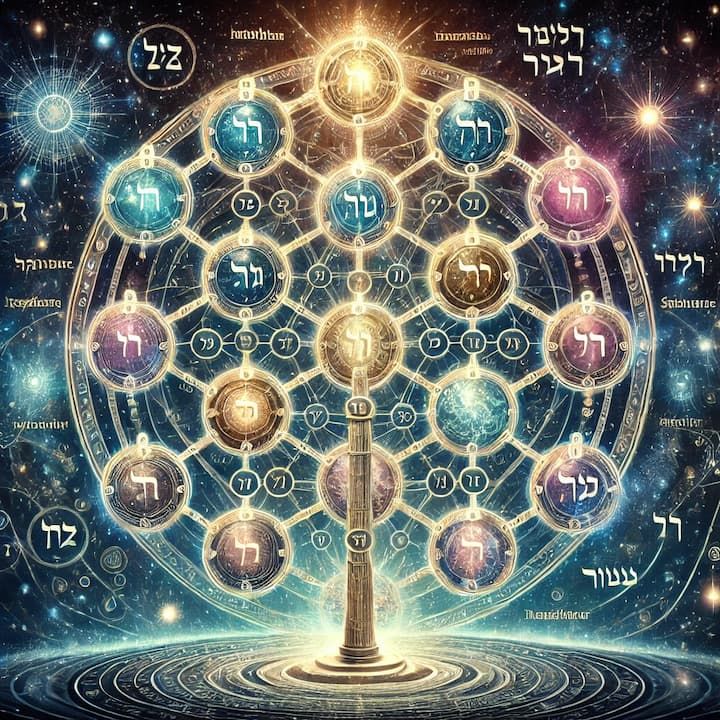
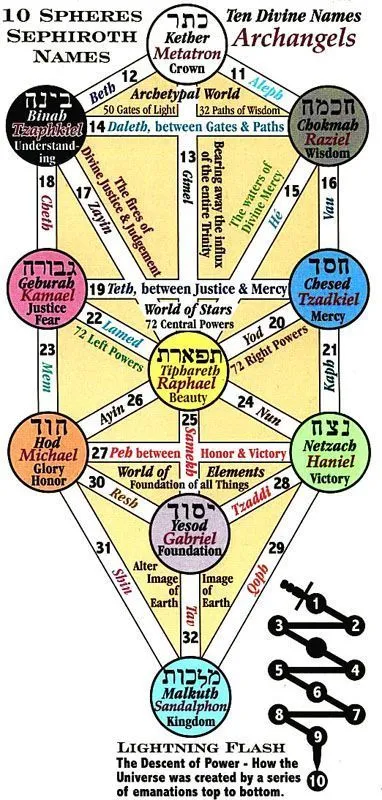
The Tree of Life, known in Kabbalah, is more than just a symbol: it is a profound spiritual map that represents a complete understanding of the universe and the human soul. The tree brings together spiritual and practical knowledge and reveals the secrets of existence and of the relationship between the human and the divine. The Tree of Life is made up of ten sefirot (energy spheres) connected by 22 paths, which together form a structure reflecting the perfect balance between divine energy and matter.
Since ancient times, the Tree of Life has been seen as a tool for mystics and philosophers to explore the spiritual and psychological dimensions. By studying it, a person can gain a deeper insight into themselves and into the universe around them.
The structure of the Tree of Life
The three pillars of the Tree of Life
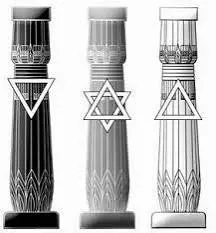
The Tree of Life is made up of three main pillars, each with its own unique qualities and energy. Together they form a complete balance that reflects the harmony of the universe and of the human being.
- The left pillar (the Pillar of Severity)
This pillar represents the power of firmness, discipline and justice. It is the energy that helps bring about order, self-control and firm decisions. The left pillar embodies the ability to set boundaries and make sure justice is done.
- Main qualities
- Strictness, responsibility, cohesion
- It helps you make considered decisions, keep to the rules and work steadily towards long-term goals
- The right pillar (the Pillar of Mercy)
The right pillar expresses kindness, flexibility and the power of love. It is the energy that flows freely without restriction, encouraging tolerance and openness. This pillar symbolises the ability to give unconditionally and to show compassion in difficult situations.
- Main qualities
- Kindness, generosity, understanding
- It encourages you to accept others, listen with respect and use positive energy to connect with those around you
- The middle pillar (the Pillar of Balance)
The middle pillar represents the perfect meeting point between the other two pillars. It is the balance between strength and love, between strictness and flexibility. The middle pillar symbolises the pursuit of inner and outer harmony.
- Main qualities
- Balance, moderation, stability
- It helps you make balanced decisions that bring together heart and mind, action and logic, strengthening your sense of inner peace
Harmony between the pillars
Each pillar complements the others, and when they work together they create a perfect balance between the different areas of life. Understanding these pillars strengthens your ability to achieve personal harmony and spiritual growth.
The ten sefirot
The sefirot are spheres of spiritual energy that carry deep meanings and are connected to different levels of consciousness. Each sefira offers a unique concept that reflects one aspect of life and creation. Here is a detailed explanation of each sefira:
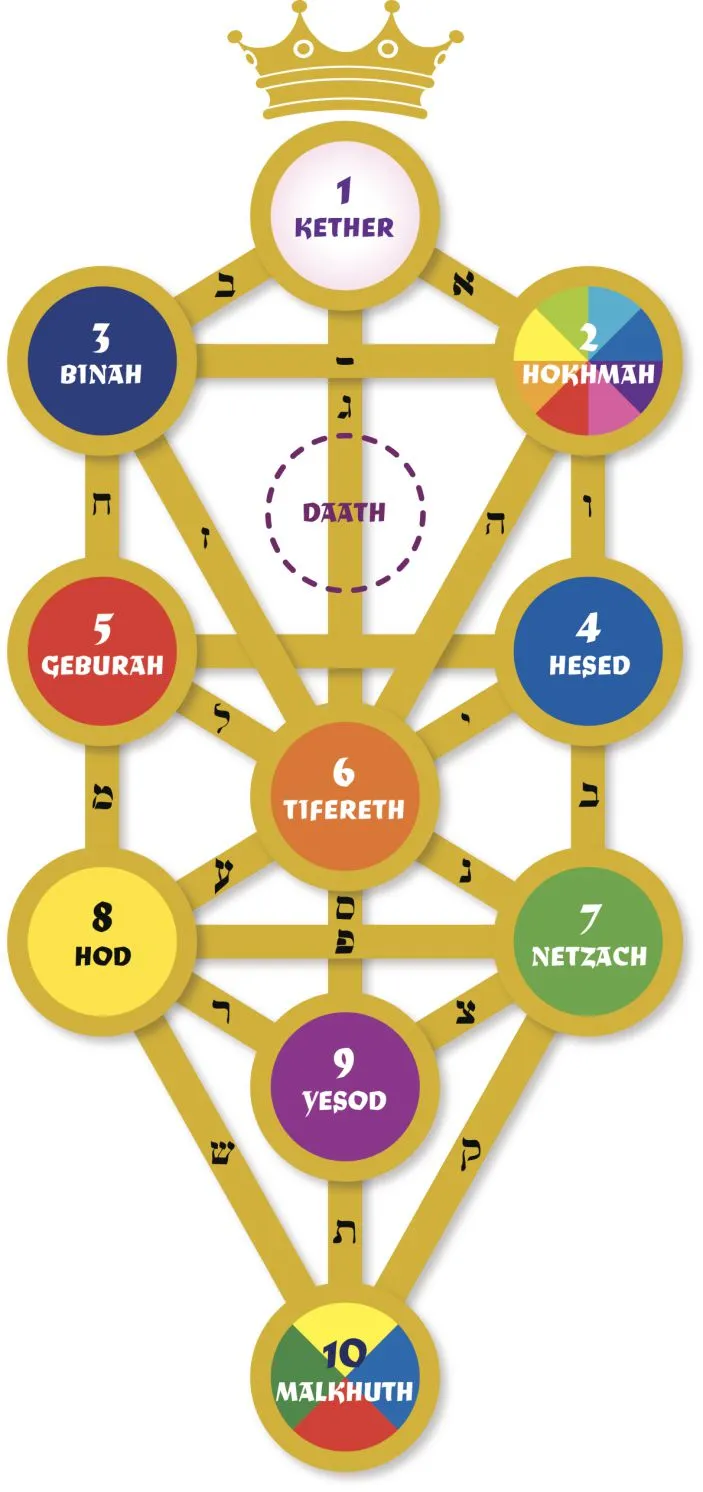
- Keter (the Crown)
Keter represents the divine source and pure energy, the origin of everything. It expresses the first gateway of creation, beyond human perception, and symbolises union with the absolute divine power. - Chokhmah (Wisdom)
Chokhmah symbolises creative thought and first insight. It is the first spark of an idea and of inspiration, the force that sets creativity free and opens the horizon to a new vision. - Binah (Understanding)
Binah expresses deep perception and logical analysis. It is the ability to turn an idea into a sound plan and to go into the details to understand the whole picture. - Chesed (Mercy)
Chesed represents unconditional love and expansion. It is the energy that moves you to give and to be generous without expecting anything in return, and it symbolises openness and kindness. - Gevurah (Severity)
Gevurah expresses the power of discipline and self-control. It is the ability to make firm decisions and set boundaries, and it is the balance that complements mercy. - Tiferet (Beauty)
The symbol of balance and harmony between mercy and strength. Tiferet brings Chesed and Gevurah together to create a harmonious unity full of love, justice and beauty. - Netzach (Victory)
Netzach points to perseverance and strong will. It is the energy that gives you the strength to keep going and reach your goals, even in the face of challenges and hardship. - Hod (Glory)
Hod expresses reflection and humility. It is the ability to recognise your limits and to relate to others in a spirit of respect and openness. - Yesod (Foundation)
Yesod represents the bridge that links the spiritual and material worlds. It is the force that turns spiritual ideas into real experiences and embodies higher values in our daily lives. - Malkuth (Kingdom)
Malkuth expresses the embodiment of divine energy. It is the place where heavenly energies become tangible reality, and it symbolises the material world and the experience of life.
How can the Tree of Life be used for spiritual growth?
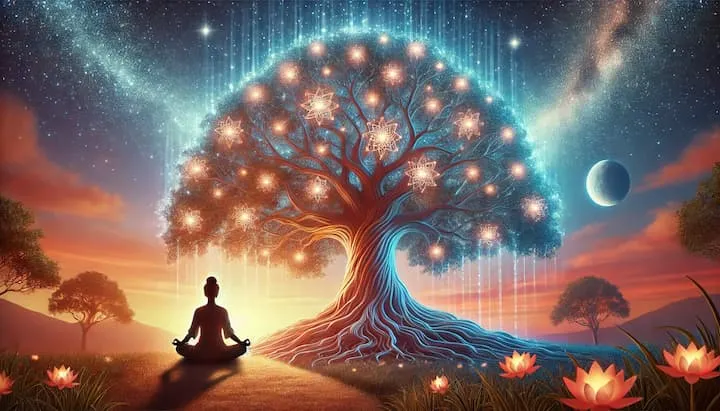
Meditation
The Tree of Life is a wonderful tool for meditation. By meditating on each sefira, a person can gain a deeper understanding of the stages of their spiritual growth and of how to reach inner balance.
Self-analysis
The Tree of Life can be used as a mirror for understanding yourself. For example, if you are facing challenges in your life, looking at sefirot such as Gevurah (Severity) or Tiferet (Beauty) may help you identify the areas you need to work on.
Finding balance
The Tree of Life offers a map for finding balance between mind, spirit and body. For example, working to bring together mercy (Chesed) and discipline (Gevurah) helps create harmony.
Spiritual travel
The paths between the sefirot can be studied to understand the stages a person goes through on their spiritual journey. For example, the path between Keter and Chokhmah represents the first insight that gives birth to ideas.
The symbolism of the Tree of Life in daily life
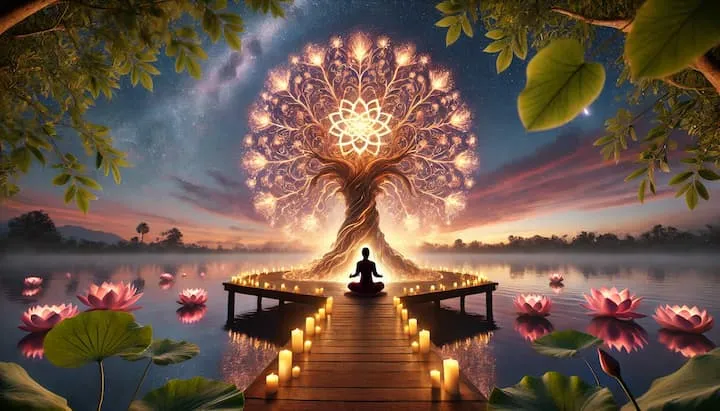
The Tree of Life is not just a spiritual symbol: it is a tool that can be used to understand our daily lives more deeply and to apply its ideas to different areas of life. Here are some examples of how to bring the Tree of Life into daily life:
• In personal relationships
The Tree of Life helps you understand the balance between mercy (Chesed) and strictness (Gevurah), which strengthens a person’s ability to build balanced, healthy relationships. Through these ideas you can learn when to be gentle and when you need to set boundaries.
• At work
The Tree of Life shows the importance of will (Netzach) and persistence in reaching your goals, along with the importance of analysis (Hod) and methodical planning. By combining these two sefirot, you can improve your performance at work and balance ambition with rational effort.
• In decision-making
The Tree of Life offers a framework for making wise decisions, focusing on the relationship between wisdom (Chokhmah) and understanding (Binah). This combination helps you see the big picture (Chokhmah) and analyse the fine details (Binah) to reach the best possible decisions.
• In personal growth
The Tree of Life teaches you how to connect with your inner essence (Tiferet), strengthening your ability to bring your spirit and your reality into harmony. It is a constant reminder of the importance of working to balance the different areas of your life.
• As a source of spiritual and practical inspiration
The Tree of Life goes beyond being a spiritual symbol to become a practical map that can lead you to your goals and help you find meaning in your daily life.
Tips for studying the Tree of Life
• Start by understanding the sefirot
Set aside time to understand the sefirot and their meaning. Learn about their origins and their role in building spiritual and psychological connections.
• Focus on each sefira separately
Study each sefira on its own, and discover its deeper meaning and its influence on your life. Take your time to reflect on how this sefira could change the way you see life.
• Use meditation as a main tool
Set aside time every day to meditate. Make meditation a way of understanding the sefirot more deeply, and do not hesitate to use mental images that reflect their meanings.
• Daily meditation on a particular sefira or path
Give each day its own aim, focusing on a particular sefira or path. Try to sense your personal connection with it and how it affects the different areas of your life.
• Bring the sefirot into your daily practice
Make the sefirot part of your daily life. Link each sefira to real situations you are living through, and try to apply what you have learnt to understand yourself and others better.
• Build a complete understanding of the system
After studying each sefira on its own, work on understanding the relationships between the sefirot as a whole. Sense how they fit together to form a harmonious system that links spirituality with daily life.
The Tree of Life is a profound spiritual tool that holds within it the secrets of existence and creation. By studying it, a person can discover new ways to connect with themselves and with the universe. Meditate on its symbols, and let it be your guide on your spiritual journey towards the light and deep understanding.